
Blog
What Does the Research Say About Spinal Manipulation for Back and Neck Pain?
A plain summary of what the National Center for Complementary and Integrative Health says about spinal manipulation: where it may help, where the evidence is thin, and the side effects.
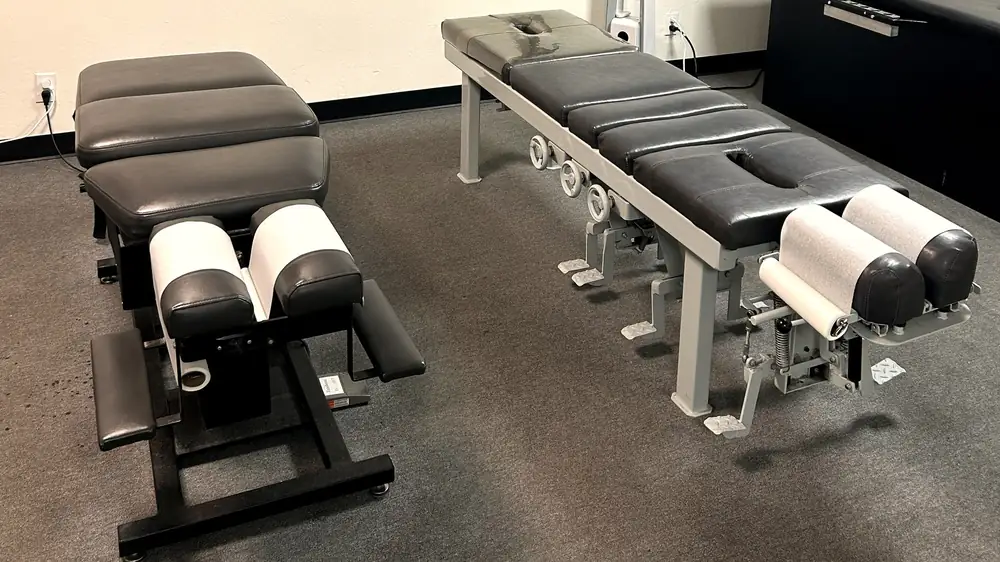
Quick answer: The National Center for Complementary and Integrative Health (NCCIH) says spinal manipulation is “one of several nondrug approaches” for low-back pain and “may lead to small improvements in both pain and function.” It says manipulation “can be helpful for acute neck pain,” though the evidence is small. Mild-to-moderate side effects are common and usually pass within a day. Serious ones are “very rare, and there are no accurate estimates of how often they occur.” If you are considering care with a chiropractor in Sunnyvale, it is worth hearing this from a federal health agency and not only from a chiropractor.
What is spinal manipulation?
NCCIH describes it as a technique where a practitioner uses their hands or a device “to apply a controlled thrust to a joint of your spine.” The amount of force can vary. It is different from spinal mobilization, which does not involve a thrust and stays within a joint’s natural range of motion. Most spinal manipulations are done by chiropractors, though osteopathic physicians and physical therapists use it too.
It is common. NCCIH reports that 11.0 percent of U.S. adults received chiropractic care during the past year in 2022, compared to 7.4 percent in 2002.
What does the research say, condition by condition?
Here is NCCIH’s summary, cut down to fit. The caveats are NCCIH’s too, and they matter as much as the findings.
| Condition | What NCCIH reports | The caveat |
|---|---|---|
| Acute low-back pain (up to 6 weeks) | Modest improvement in pain and function, in a 2017 analysis | Moderate-quality evidence, not completely consistent |
| Chronic low-back pain | Short-term pain relief similar to other recommended therapies, in a 2019 review | Moderate-quality evidence, not completely consistent |
| Acute neck pain (under 6 weeks) | Helpful in reducing pain intensity, in a 2021 analysis | Small amount of evidence and varied study designs |
| Chronic neck pain (12 weeks or longer) | May reduce pain and improve function, in a 2019 review | Low-to-moderate quality, mostly small studies |
| Headache from a neck problem | May reduce frequency and intensity, in a 2020 review | Based on 7 studies |
| Sciatica | May help, according to a 2015 review | Not widely used, and the studies had many limitations |
Notice the words: modest, small, may. Those are the agency’s own words, and they are a fair way to set your expectations before a first visit.
What does “similar to other treatments” mean for me?
For chronic low-back pain, NCCIH says the short-term relief from manipulation or mobilization was similar to therapies such as exercise or drug therapy. It reported that function was slightly better with manipulation or mobilization. So this is one reasonable option among several, not the only road.
The American College of Physicians, in its 2017 guidelines, said spinal manipulation is one of several therapeutic options that may help people with acute or chronic low-back pain, while noting that the strength of the evidence favoring it is low.
What are the side effects?
NCCIH says that side effects, “most commonly, increased pain or discomfort, stiffness, or headache,” often occur after spinal manipulation or mobilization, and that most go away within 24 hours.
The serious ones, such as serious spinal or neurological problems or strokes involving arteries in the neck, have been reported. NCCIH says “they are very rare, and there are no accurate estimates of how often they occur.” The likelihood may be greater in people with underlying health problems that increase their risk of injury.
Neck manipulation has its own note. NCCIH says it has been linked to small tears in the artery walls of the neck, which are rare but can lead to a stroke. It says other sudden neck movements, including getting whiplash, may also increase the risk, and that there is disagreement about whether manipulation can actually cause these tears. It says patients need to be informed of this potential risk, so ask about it before your first adjustment.
Who should talk to their doctor first?
NCCIH says preexisting health problems may increase the risks, so it is important for practitioners to assess patients thoroughly and for patients to share their health conditions and medications. If you are pregnant, it says to discuss the potential risks and benefits with your health care provider, because there has not been much rigorous research on this.
Does manipulation help things other than back and neck pain?
NCCIH says only a small amount of high-quality research has looked at conditions other than musculoskeletal problems, and that a 2021 review of 6 studies, on conditions such as high blood pressure or menstrual cramps, showed no clear benefit.
What should I ask a chiropractor before I start?
NCCIH suggests three things:
- Ask about the chiropractor’s education and licensure.
- Tell the chiropractor about your health history, including medical conditions.
- Ask if the chiropractor has specialized training or experience treating your condition.
Here are the answers for this office. Dr. Tony Tropea is a Doctor of Chiropractic, Palmer College of Chiropractic West, and you can read more about him. The office focuses on accident patients. He starts with an exam and chooses the approach afterward, including a low-force option if that suits you better. See chiropractic adjustments.
How does this fit with care after a crash?
Emergencies come first, and the signs are in whiplash and neck pain after a crash and back pain after a wreck. Once serious injury has been ruled out, manipulation is one tool, alongside others such as spinal decompression for some disc injuries.
Why choose Tropea Chiropractic in Sunnyvale?
Because you can ask anything here, including whether this is right for you. “Tony was very friendly and professional, and he took the time to explain everything and make sure I was comfortable,” wrote Srinivas Kamineni in a Google review. “He have different techniques depending on your injury,” wrote Xymena Gallegos.
The office is at 182 S Murphy Ave in downtown Sunnyvale, and treats patients from Santa Clara and nearby cities. Se habla español. Call (408) 329-9604.
Sources
This article is general information, not medical, legal or insurance advice. It is not a diagnosis or a substitute for an examination. If you have an emergency, call 911.
FAQ
Common Questions
Still have questions? Call (408) 329-9604, Monday to Friday, 7am-1pm and 2pm-5pm.
Does spinal manipulation work for low-back pain?
The National Center for Complementary and Integrative Health calls it one of several nondrug approaches that may be used, and says it may lead to small improvements in both pain and function.
Is spinal manipulation safe?
The agency says mild-to-moderate side effects often occur and most go away within 24 hours. It says serious side effects are very rare, and that there are no accurate estimates of how often they occur.
What should I tell my chiropractor first?
The agency says to tell the chiropractor about your health history, including medical conditions, and to ask about the chiropractor's education, licensure and experience treating your condition.
More articles
-
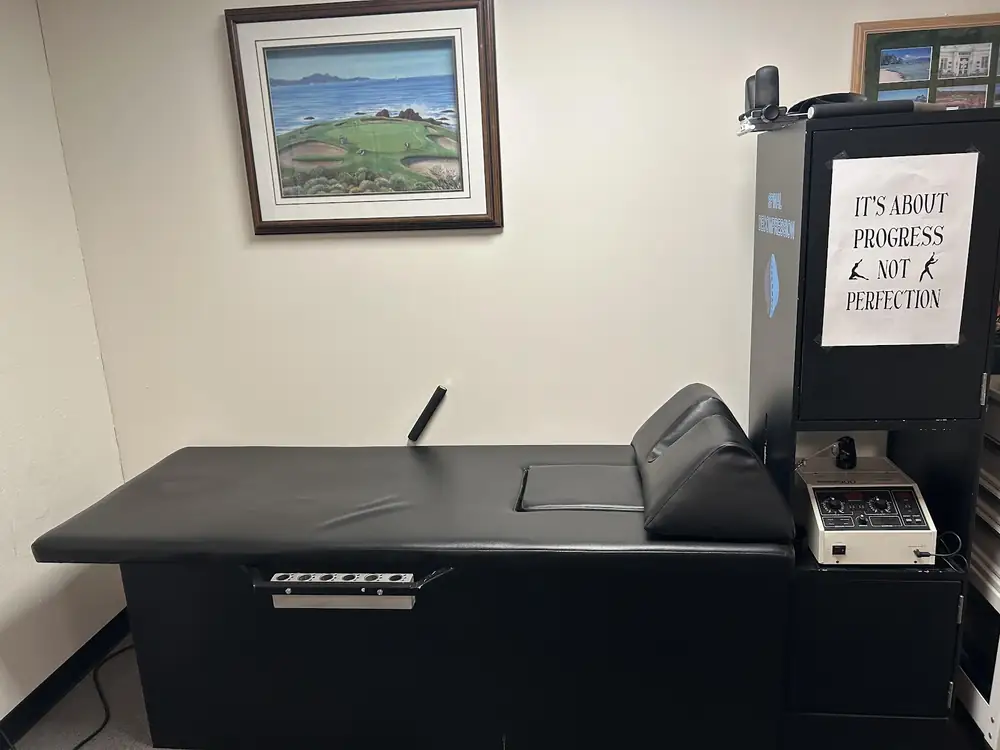
Back Pain After a Wreck: When to Get Checked
Back pain can start suddenly from an accident, and federal health guidance lists back pain after a fall or injury as a reason to see a doctor. The signs that matter, in plain language.
Read more -
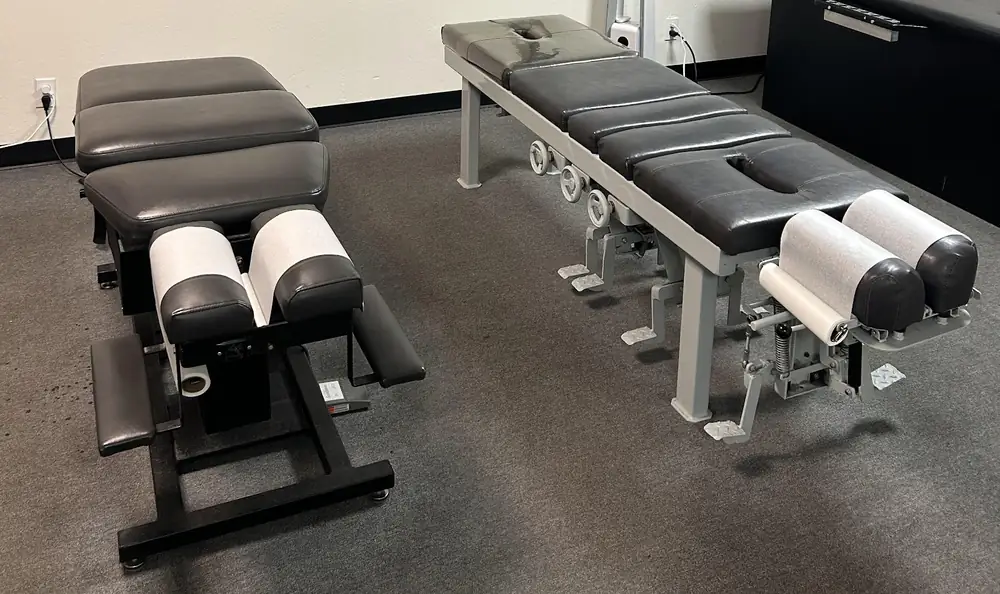
Hurt in a Crash in California? What MedPay Is and When It Pays
MedPay is an optional part of a California auto policy that can pay for immediate medical care no matter who is at fault. Here is how to tell if you have it, and what it does not do.
Read more -

Out of Work After a Crash? California State Disability Insurance and the 49-Day Window
If a crash keeps you from your regular work, California's State Disability Insurance may apply. A chiropractor can certify a claim, you must be under care in the first eight days, and you file within 49 days.
Read more
Get In Touch
Ready to Get Started?
If this sounds like your situation, we can help.